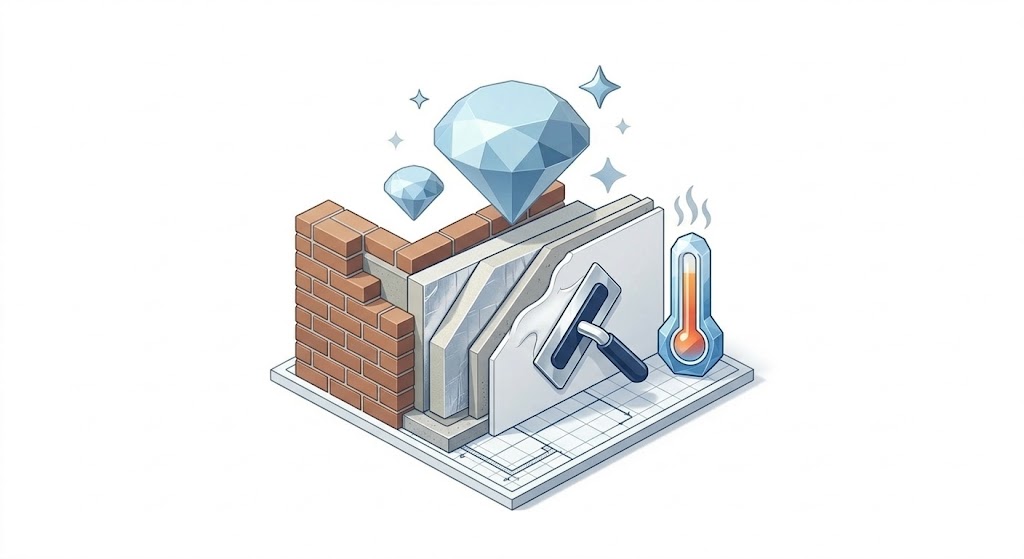
1. What exactly is internal thermal lining, and when is it recommended?
Internal thermal lining involves adding a continuous layer of high-performance rigid insulation to the inside face of your exterior walls. It is highly recommended for older properties, solid brick wall constructions, or homes in conservation areas where altering the external building facade is legally restricted or aesthetically undesirable.
2. Will installing internal insulation significantly reduce the size of my rooms?
While it does require some internal space, we use advanced, ultra-thin rigid insulation boards (such as PIR or phenolic foam) that provide maximum thermal resistance with a minimal footprint. Typically, you might lose just 50mm to 100mm per external wall—a very small trade-off for the massive, noticeable gain in warmth and long-term energy savings.
3. Does internal wall insulation cause dampness or condensation issues?
It will only cause issues if installed incorrectly by amateurs. Our expert team strictly adheres to building regulations, meticulously incorporating continuous vapor control layers and ensuring adequate room ventilation. This scientifically prevents interstitial condensation, protecting your structural walls and ensuring a healthy, dry indoor environment.